A small crossover trial found several favorable blood-marker changes when adults ate fresh watermelon instead of an equal-calorie cookie snack. The headline result was mixed, however: the main gut-derived marker improved from each participant’s starting point but was not significantly better than the cookie comparison.
What changed
Thirty-two adults with overweight or obesity ate 330 grams of fresh watermelon daily for four weeks and a 100-calorie low-fat cookie snack for another four weeks, with a four-week washout between periods. Watermelon lowered trimethylamine N-oxide, or TMAO, from baseline, but the watermelon-versus-cookie difference at week four was not statistically significant. LDL cholesterol, triglycerides, and two inflammatory markers also fell during the watermelon period, while total antioxidant capacity was higher than with cookies. Weight did not change significantly.
How strong is the evidence?
This was a registered randomized human crossover trial published November 14, 2026. Each participant tried both snacks, laboratory staff were blinded, and reported adherence was 99%.
What remains uncertain
The trial was small, short, and involved generally healthy young adults. Most favorable findings were within the watermelon period rather than clear between-snack differences. TMAO and inflammatory proteins are surrogate markers, not heart attacks or other clinical outcomes. Cardiometabolic outcomes were added to the trial registry after the study began. The National Watermelon Promotion Board funded the work; the authors declared no conflicts.
Why it matters
Replacing a processed snack with whole fruit is practical, but this pilot does not prove that watermelon prevents cardiovascular disease or that a specific amount is therapeutic. For everyday food ideas, visit our Pantry & Kitchen guide.
Sources
Food Science & Nutrition: Fresh watermelon, TMAO, inflammation, and cardiovascular risk factors (published November 14, 2026; trial NCT06323070).
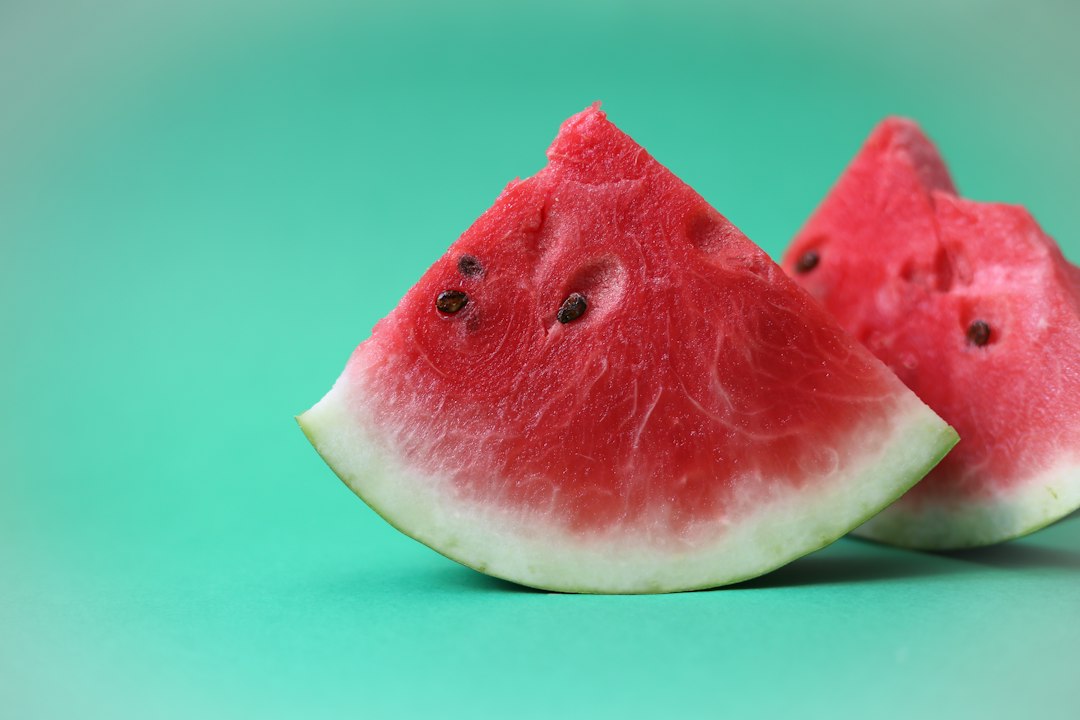
Illustrative stock photo by Sahand Babali on Unsplash. The image does not show study fruit, participants, or results.


