A small randomized trial published November 11, 2026, found that eating more resistant-starch foods for eight weeks did not clearly improve blood pressure, blood sugar, triglycerides, or the overall gut microbiome in women with metabolic-syndrome risk factors. The result is a useful reality check: promising fiber biology does not guarantee a measurable short-term benefit.
What changed
Thirty women age 40 or older were assigned to higher- or lower-resistant-starch foods. Average intake was about 7.9 versus 2.4 grams daily. The adjusted difference in systolic blood pressure was only −1.7 mm Hg (95% CI −6.4 to 2.9), and no primary metabolic outcome or broad microbiome measure differed between groups.
How strong is the evidence?
This was a double-blind randomized pilot, a stronger design than an observational food survey. However, 30 participants and eight weeks provide limited power. An exploratory bacterial signal did not remain statistically convincing after correction for multiple comparisons.
What remains uncertain
The trial cannot rule out smaller effects, longer-term changes, or different responses in men or people without metabolic-syndrome features. It also tested a modest difference in total resistant-starch intake—not every resistant-starch food or supplement.
Why it matters
Beans, oats, whole grains, and cooled potatoes can still be nutritious foods, but this study does not support treating resistant starch as a quick fix. For practical food ideas, browse our Pantry & Kitchen guide, and see our recent gut-friendly diet evidence review.
Sources
Original study in Food & Function (published November 11, 2026; trial registry KCT0011082). Research summary with reported outcome details.
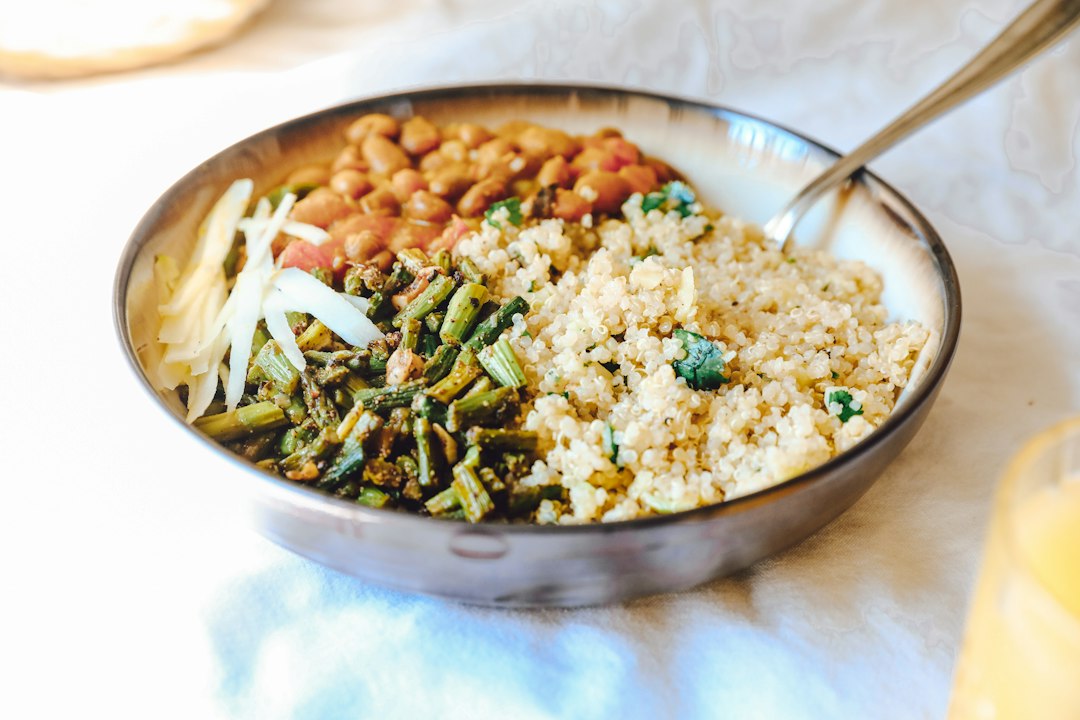
Featured photo by Shashi Chaturvedula on Unsplash. This is an illustrative stock image and does not depict the study participants, intervention, or results.


