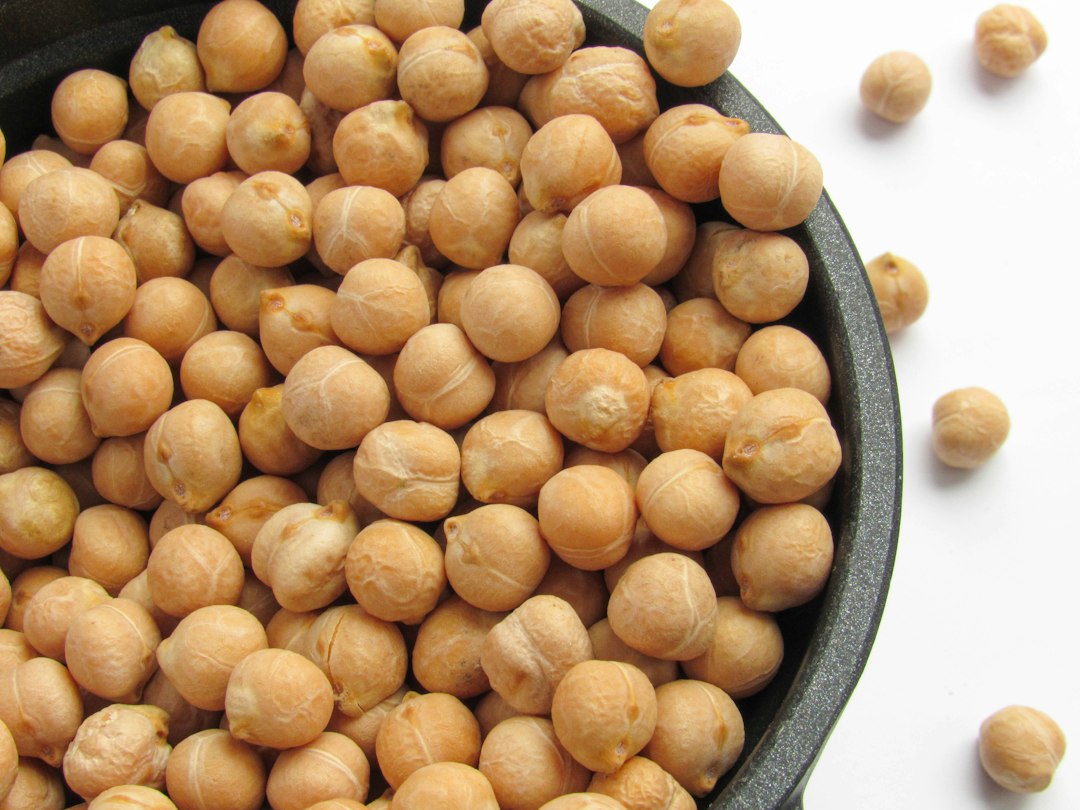
Illustrative stock photograph by Karyna Panchenko on Unsplash; it does not depict study participants, their meals, or results.
Older adults who ate a larger share of their protein from plants were less likely to develop the combination of weak muscles and central obesity. The study is encouraging, but it cannot prove that swapping meat for beans prevents the condition.
What changed
Researchers analyzed nearly 15,000 middle-aged and older adults in long-running studies from China, England, and the United States. During follow-up, 1,246 developed sarcopenic obesity, defined using low grip strength, low estimated lean mass, and central obesity. Across the three cohorts, each standard increase in plant-protein intake was associated with a 14% lower risk. A statistical model replacing 5% of energy from animal protein with plant protein estimated a 34% lower risk.
How strong is the evidence?
Prospective observational evidence from three national cohorts. Similar plant-protein findings across different countries strengthen the signal. However, participants were not randomly assigned to foods, and the 34% figure comes from a modeled substitution—not an actual diet trial.
What remains uncertain
Food intake was self-reported, and people choosing more plant protein may have had other healthier habits. The biological-age analysis used PhenoAge, a blood-based surrogate rather than a direct measure of aging. Reverse causation is also possible because participants who already had sarcopenic obesity later reported eating less protein.
Why it matters
The practical message is about variety, not avoiding all animal foods: beans, lentils, chickpeas, tofu, nuts, and seeds can help broaden protein sources. Maintaining strength still depends on resistance exercise, adequate total protein, and overall health. See our pantry and kitchen page for general food-preparation ideas.
Sources
Original study in Frontiers in Nutrition, published November 6, 2026.


