Older adults who ate mushrooms more than twice weekly—and those with higher blood levels of ergothioneine—were less likely to screen positive for cognitive impairment in a new analysis. The association is interesting, but it does not show that mushrooms or ergothioneine supplements prevent dementia.
What changed
Researchers analyzed 499 community-dwelling adults in Singapore, average age 67; about 75% were women. Mushroom intake came from a food-frequency questionnaire, while ergothioneine and a related metabolite were measured in plasma. Eating more than two servings weekly was associated with 58% lower odds of screening-defined cognitive impairment (OR 0.42; 95% CI 0.18–0.99).
How strong is the evidence?
This was a cross-sectional human analysis published November 12, 2026, using participants recruited from 2011–2016. The biomarker measurement is a strength, but diet and cognition were assessed at the same general time point.
What remains uncertain
Reverse causation is possible: people with better cognition may shop, cook, and eat differently. The screening score was not a dementia diagnosis, serving size estimates may be imperfect, and the confidence interval was wide. Exploratory analyses did not show that ergothioneine explained the mushroom association.
Why it matters
Mushrooms can be a useful whole-food ingredient, but this study supports further trials—not an ergothioneine supplement recommendation. For food ideas, browse our Pantry & Kitchen guide and our MIND-diet research brief.
Sources
Original study in Nutrients, published November 12, 2026.
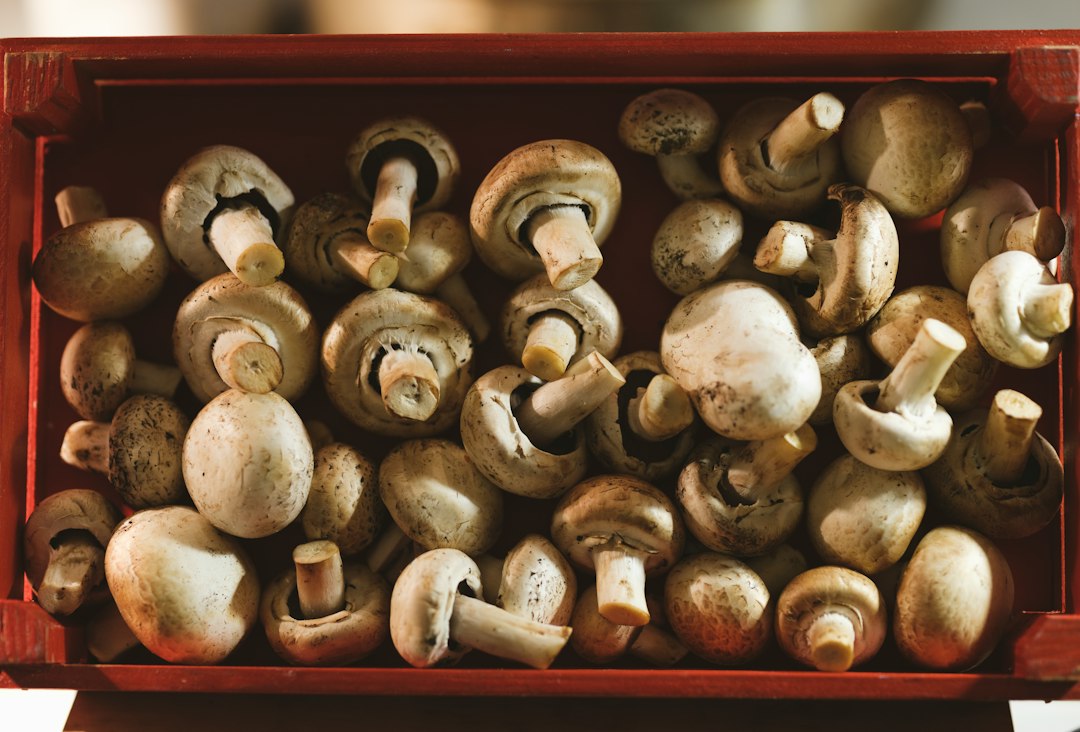
Illustrative stock photo by engin akyurt on Unsplash. It does not show study participants, their meals, blood samples, or results.


