A small human trial found better glucose tolerance after whole-wheat bread than white bread. Ohio State highlighted the findings on November 25, 2026; the paper itself was published August 28. This is newly reported coverage of earlier research—not a newly completed study.
What changed
Thirty-nine adults with prediabetes completed two controlled-feeding periods, each lasting two weeks, separated by a washout. Meals differed in bread type. After whole-wheat bread, the glucose rise during an oral glucose tolerance test was 27% lower on average than after white bread. This does not mean diabetes risk fell by 27%.
How strong is the evidence?
This was a randomized crossover trial: participants served as their own controls, and researchers supplied meals. Those features strengthen the comparison. However, glucose-test responses are surrogate outcomes, not diagnoses or clinical events. The authors reported no commercial or financial conflicts; one disclosed journal editorial-board membership.
What remains uncertain
The sample was small and each diet brief. Microbial patterns were associated with responses, but do not establish that bacteria caused the improvement. Overall microbial diversity did not change. Longer trials are needed to test durability and diabetes prevention.
Why it matters
The findings support studying grain quality and individual dietary responses, without justifying commercial microbiome tests or supplement claims. No particular retail bread was established as a treatment.
Sources
Original trial, Frontiers in Nutrition (August 28, 2026); Ohio State report via Medical Xpress (November 25, 2026).
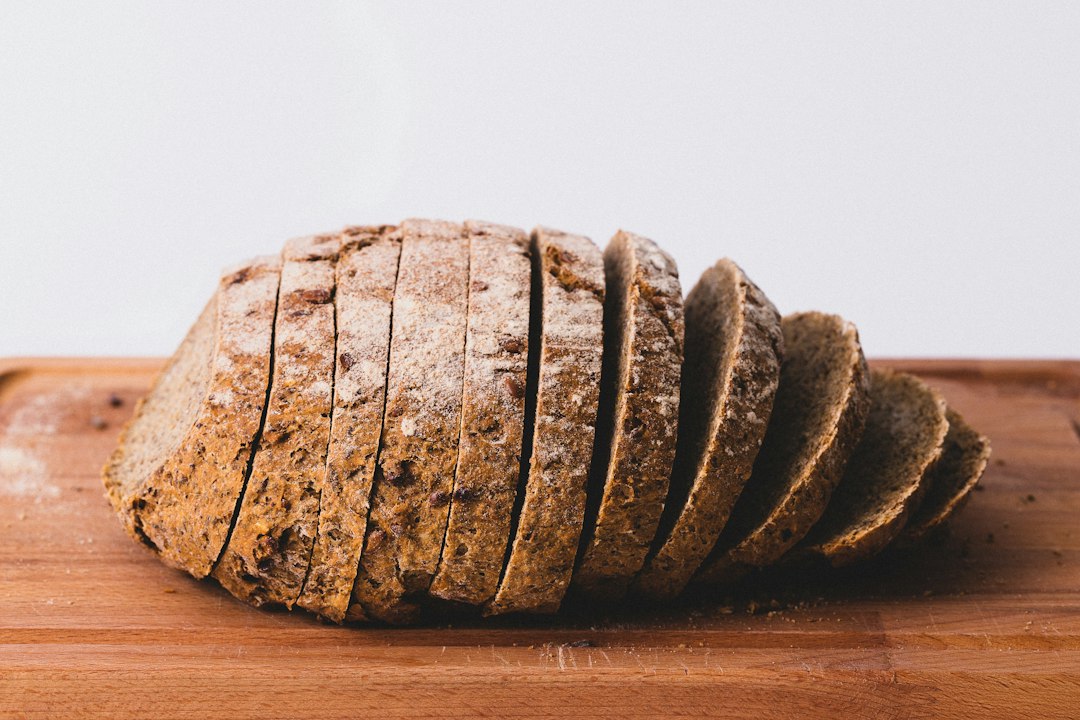
Illustrative stock photo: Jude Infantini / Unsplash. It does not show the study bread, participants, or results.


