Heart-risk warning signs can appear years before diabetes is diagnosed, according to a large Norwegian study. The clearest signals were an unfavorable triglyceride-to-HDL cholesterol ratio and rising blood pressure—not blood sugar alone.
What changed
Researchers followed 42,907 adults ages 35–104 in the Tromsø Study; 3,942 had a first heart attack, including 357 people with diabetes. Before accounting for other risk factors, diabetes was associated with 2.26 times the heart-attack rate in women and 1.84 times the rate in men. That apparent sex difference was not statistically significant. After jointly adjusting for cholesterol patterns, blood pressure, smoking, and body mass index, the estimates narrowed to 1.72 in women and 1.67 in men. The study was published October 21, 2026, and reported October 23.
How strong is the evidence?
This was a large, long-running prospective observational study with verified heart-attack outcomes. It can reveal useful patterns over time, but statistical adjustment cannot prove that any one risk factor caused the heart attacks.
What remains uncertain
The Norwegian population may not represent every community. Diabetes onset was sometimes estimated, type 1 and type 2 diabetes were not separated, and only 357 heart attacks occurred among participants with diabetes. Residual confounding is possible.
Why it matters
The practical message is broader than glucose control: triglycerides, HDL cholesterol, blood pressure, smoking, and weight deserve attention before and after diabetes develops. The study supports comprehensive cardiovascular screening, not self-adjusting medication.
Related: SGLT2 drugs reduced heart-failure and kidney events across 14 diabetes trials.
Sources
Original study in European Heart Journal Open; research report.
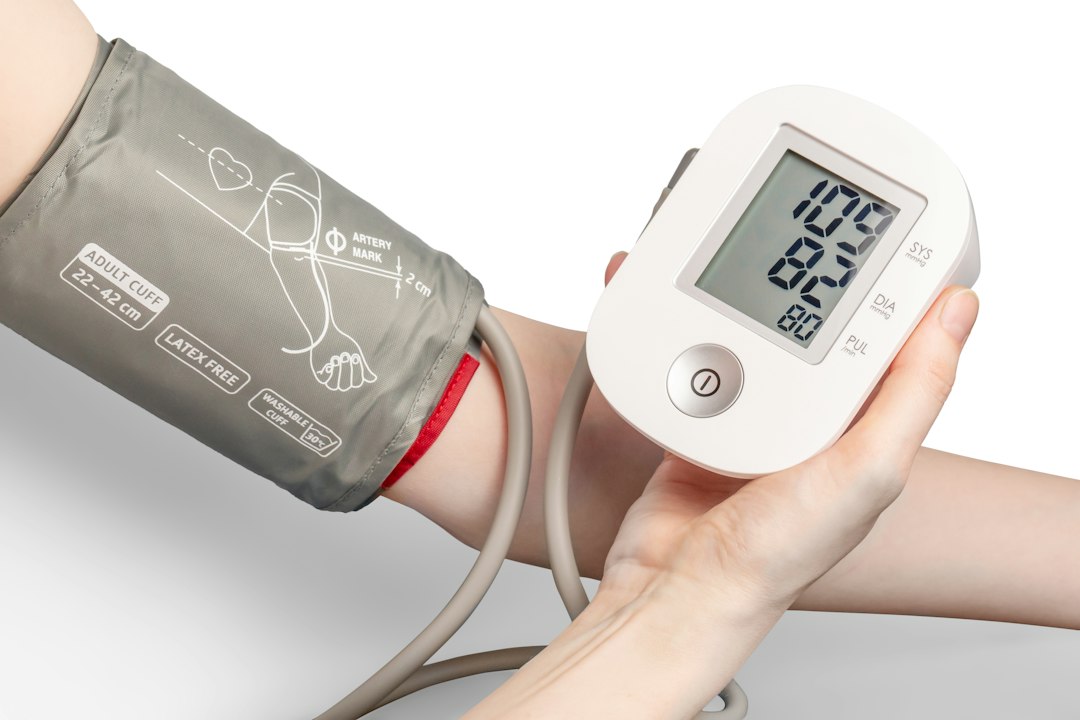
Illustrative stock photograph by Mockup Graphics on Unsplash; it does not depict study participants or results.


